Hi, I’m Anway Pimpalkar.
I build
I am a PhD student in Mechanical Engineering at
Harvard University.
I build human-centered devices that sense, respond, and adapt to
improve how we move, think, and perform. My work spans human
performance in two domains: physical and cognitive.
My research is supported by the
NDSEG Fellowship, the Harvard SEAS Prize Fellowship, and the
GEM Associate Fellowship.
Before moving to Harvard, I received my Master’s in Biomedical
Engineering from
Johns Hopkins University
and my Bachelor’s in Electronics and Telecommunication Engineering
from
College of Engineering Pune, India.
Research
personalization of robots and structures to augment human performance
No two bodies or minds are the same, yet most technology is built for an average that fits no one. My research focuses on designing robots and architected structures that adapt by reshaping their mechanical behavior to match a specific person, task, or context. By personalizing these systems, I aim to augment human performance on both fronts: how we move and act in the world, and how we perceive and think about it.
I work with Profs. Katia Bertoldi and Patrick Slade at Harvard SEAS, and Anne Arnett at Boston Children’s Hospital.
You can read more about each of these directions in my publications below, tagged by theme. See them all on Google Scholar.
2026
Cross-modal matching is not bidirectional: Implications for human multisensory feedback.
IEEE International Conference on Biomedical Robotics and Biomechatronics (BioRob), 2026
This work builds on another project, listed below, “Optimizing cross-modal matching for multimodal motor rehabilitation.”
Cross-modal matching (CMM) is widely used to calibrate sensory feedback across modalities, but it is typically assumed to be bidirectional and invertible. We test this assumption using visual–vibrotactile and co-located haptic (pressure–vibration) datasets and show that it does not hold. At the individual level, mappings are systematically non-invertible, with directional asymmetries arising from structured, intensity-dependent distortions rather than noise. As a result, CMM compresses the perceptual range of one modality relative to another, making the choice of mapping direction consequential. These findings show that CMM is not a neutral calibration step but a directional design decision that shapes perception and learning in human–machine systems.
2025
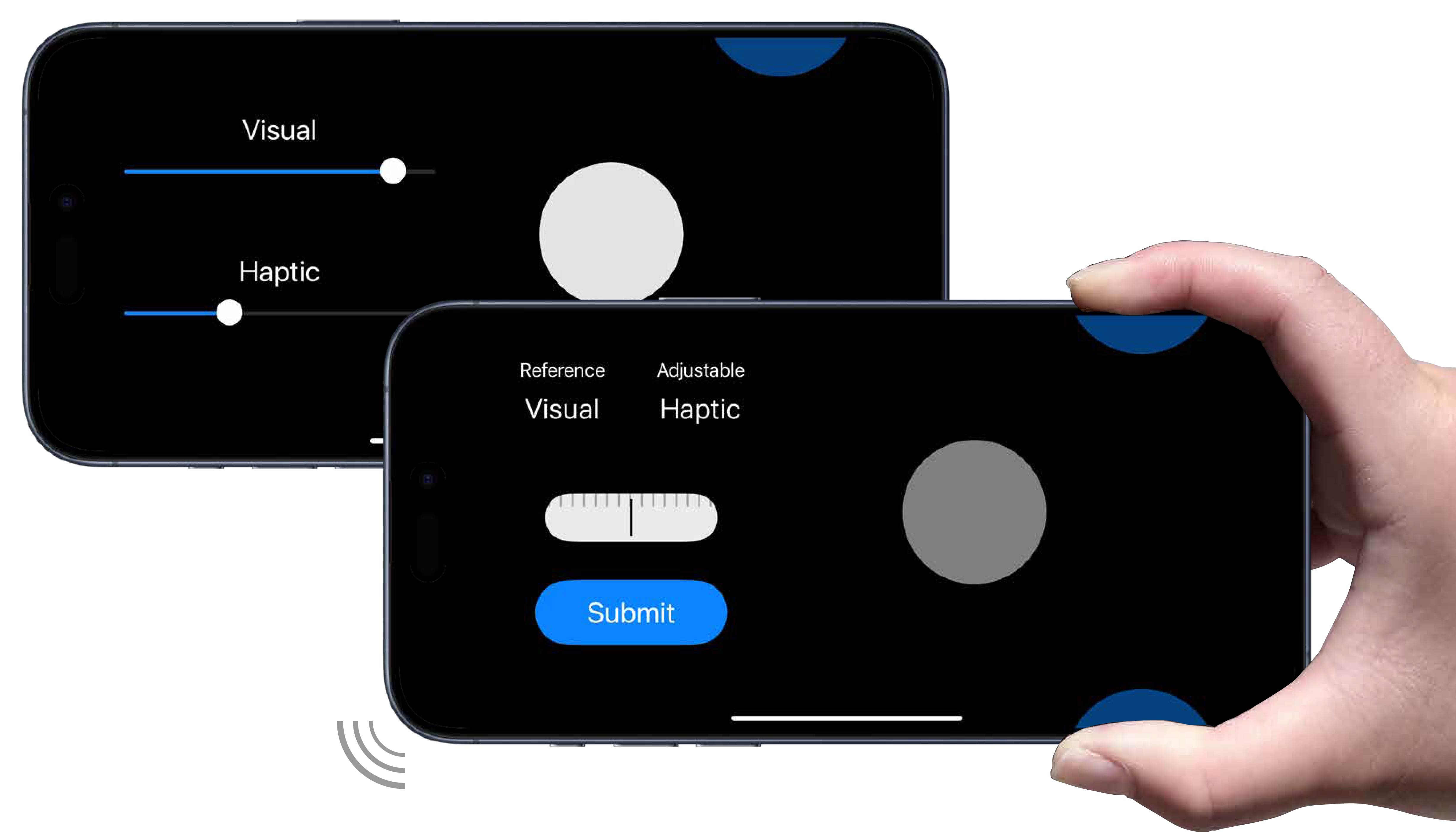
SenseMatch: Smartphone-based cross-modal matching for accessible perceptual assessments.
IEEE EMBS Conference on Neural Engineering (NER), 2025Paper
This work builds on another project, listed below, “Optimizing cross-modal matching for multimodal motor rehabilitation.”
After a stroke or neurological injury, many people struggle not just with movement, but also with sensing and controlling their hands. Rehabilitation tools often mix visual, touch, and sound cues to help retrain the brain — but these cues need to be carefully balanced so one sensation doesn’t overpower the others. That’s where cross-modal matching comes in: a way to “calibrate” perception across senses. We built SenseMatch, a smartphone app that makes this calibration process easier and more accessible. In our study, we compared SenseMatch to a clinical rehabilitation device. In the longer term, tools like SenseMatch could move us toward objective, personalized measures of sensory deficits, helping to guide rehabilitation and track recovery beyond the clinic.
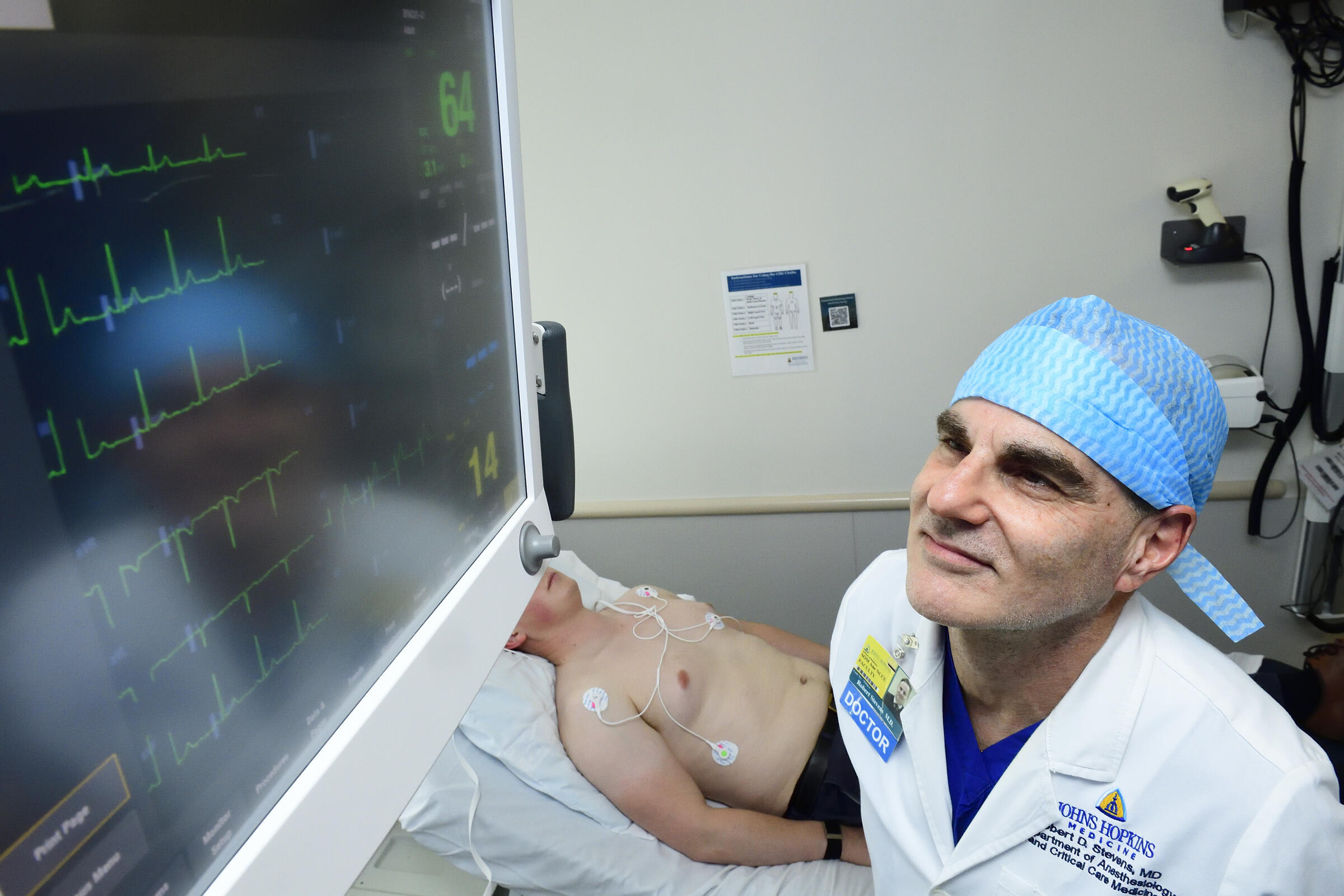
Preoperative risk prediction of major cardiovascular events in noncardiac surgery using the 12-lead electrocardiogram: an explainable deep learning approach.
British Journal of Anaesthesia, 2025Paper
Our deep learning fusion model integrates preoperative ECG waveforms with clinical data, and outperforms traditional risk scores in predicting major postoperative outcomes. By using counterfactual ECGs, it offers interpretable insights, linking waveform features to risk. The approach points toward personalized, actionable interventions in surgical care.
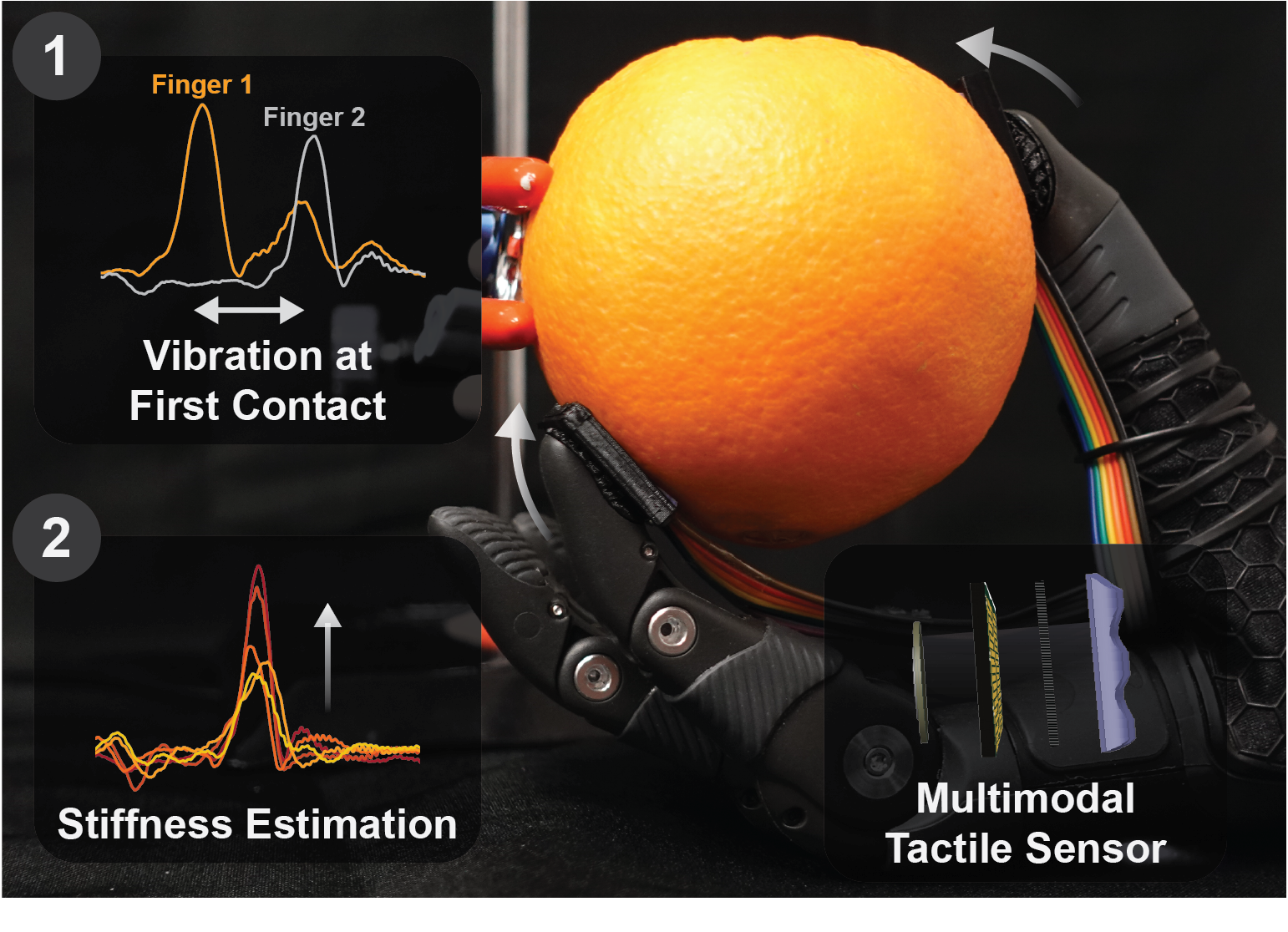
Vibrations at first contact encode object stiffness before grasp completion.
IEEE Sensors Letters, 2025Paper
Have you ever noticed that when we grasp objects, one finger almost always makes contact before the others? Perhaps not, because this millisecond-scale gap is negligible to human perception. However, prosthetics and robotics can certainly take advantage of it. We used vibrations from this initial contact window to estimate object stiffness, enabling potential grip modulation by the other fingers.
Optimizing cross-modal matching for multimodal motor rehabilitation.
International Conference on Rehabilitation Robotics (ICORR), 2025Paper
After a stroke or injury, many people struggle not just with movement, but also with sensing and controlling their hands. Rehabilitation tools often mix visual, touch, and sound cues to help retrain the brain — but these cues need to be carefully balanced so one sensation doesn’t overpower the others. That’s where cross-modal matching comes in: a way to “calibrate” perception across senses. This project calibrates visual and haptic feedback stimuli through cross-modal matching to establish perceptual equity across the feedback channels. By aligning subjective intensities, we isolate true performance differences from perceptual confounds. Using statistical modeling and Monte Carlo optimization, we develop a streamlined calibration protocol that cuts session time by over 5×, enabling practical clinical use.
2024
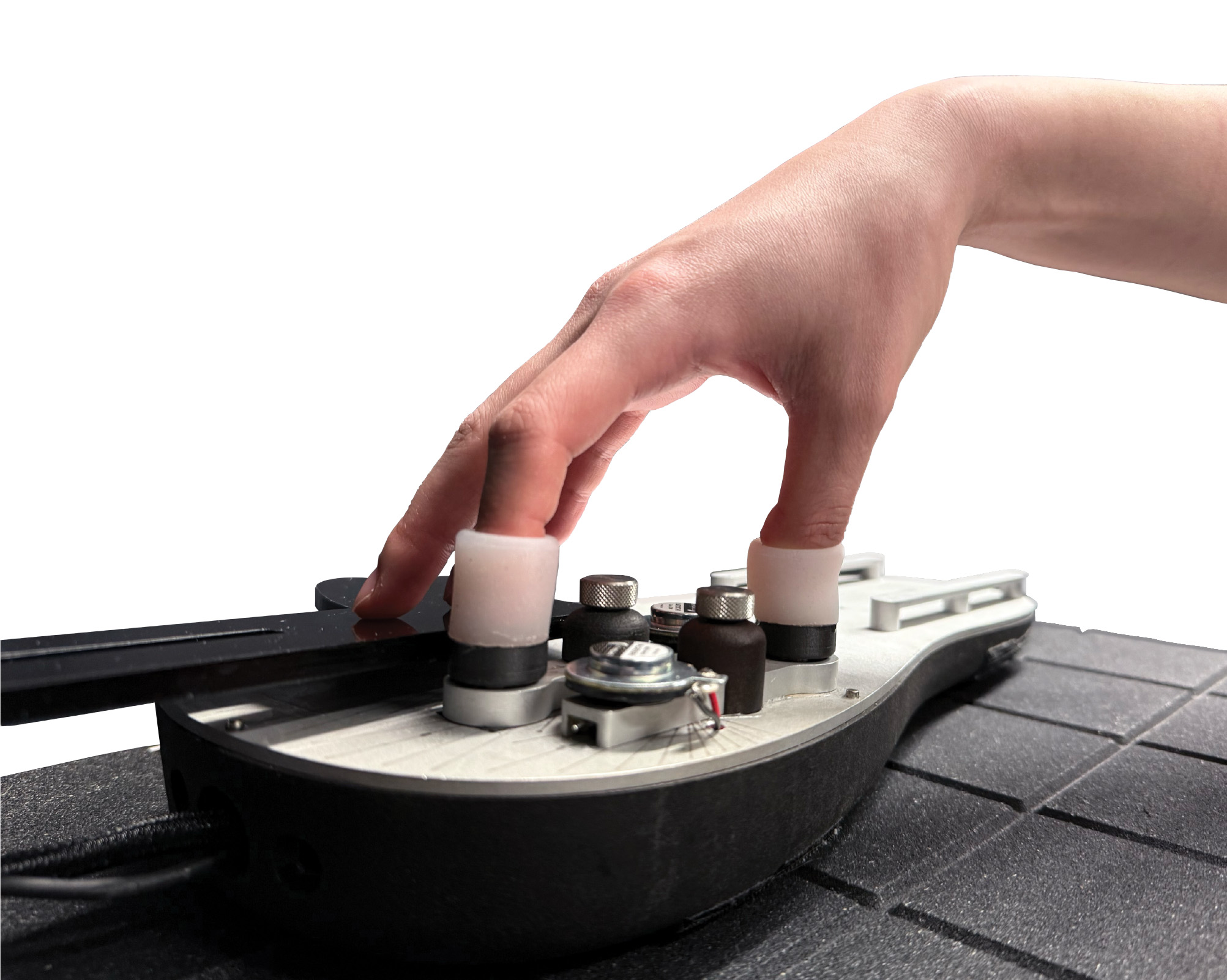
Visual-haptic feedback enhances finger individuation in a virtual precision grip neurotraining task.
Biomedical Engineering Society Annual Meeting (BMES), 2024
We designed an experiment to explore how different forms of feedback — visual, haptic, and combined — affect motor performance in a precision grip task. Participants used isometric force to “pinch” virtual objects while receiving real-time feedback through either vision, vibration, or both. The study showed that while visual feedback alone often led to high success rates, combining it with haptic feedback offered perceptual and learning benefits in specific contexts. These findings underscore the importance of tailoring multimodal feedback to user needs and task demands, especially in the design of next-generation rehabilitation tools for stroke recovery and sensorimotor training.
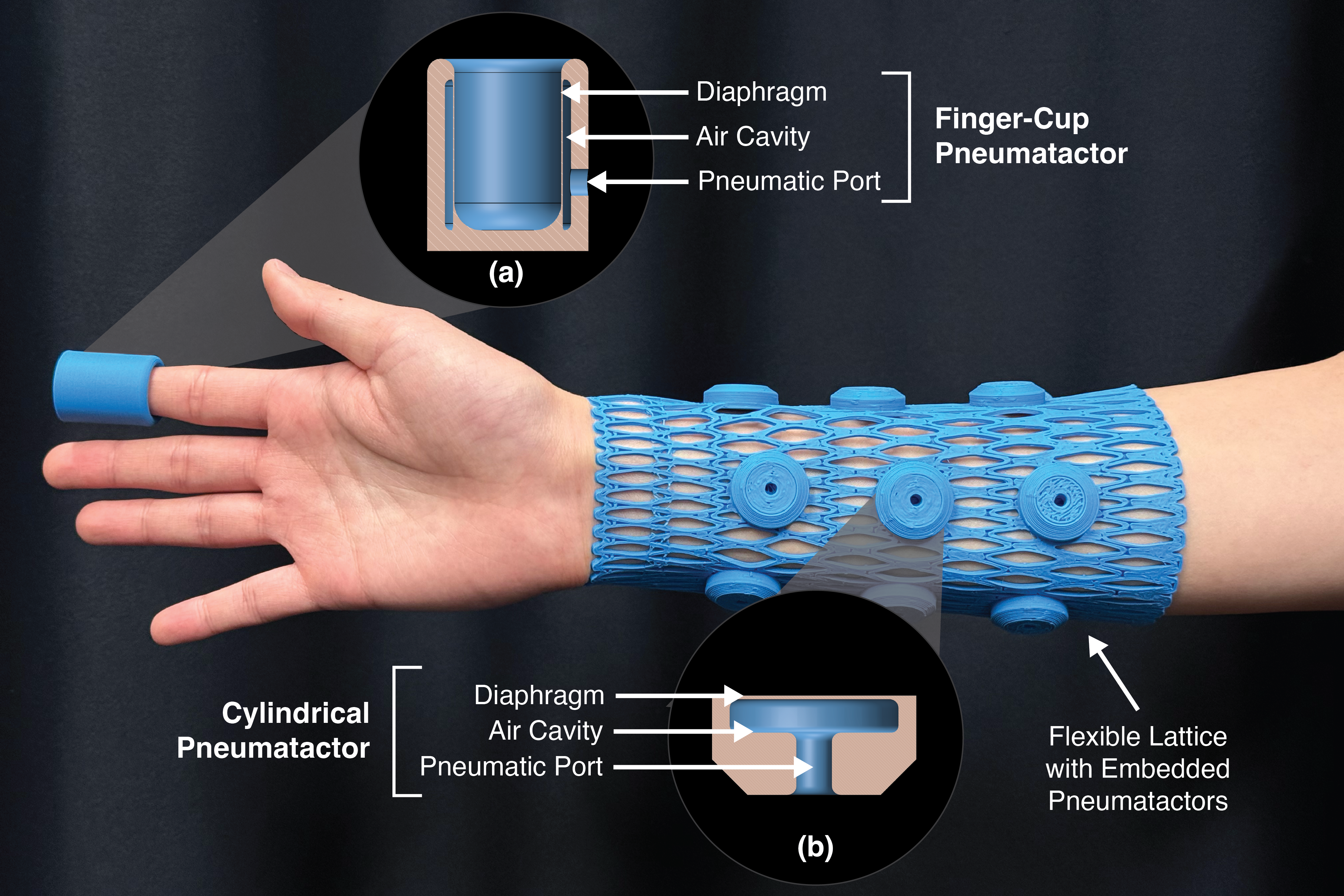
Pneumatactors: Soft interface for co-located multimodal tactile stimuli.
IEEE Haptics Symposium, 2024
2023
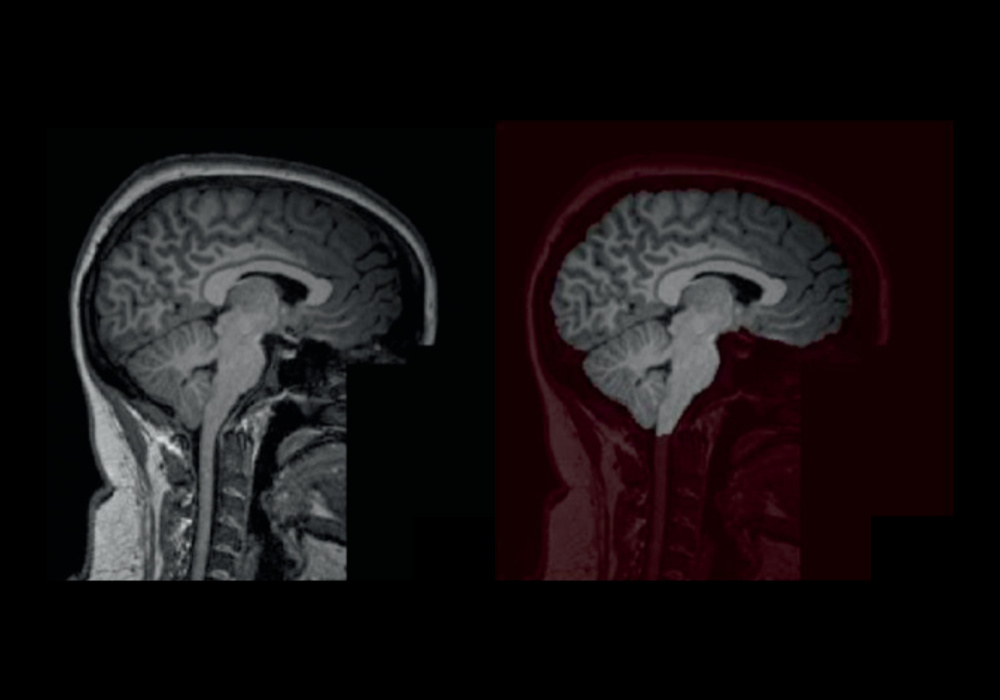
Performance evaluation of vanilla, residual, and dense 2D U-Net architectures for skull stripping of augmented 3D T1-weighted MRI head scans.
International Conference on Biomedical Engineering Science & Technology, 2023Paper
In neuroimaging, skull stripping is vital for removing non-brain tissue from scans, improving accuracy in analysis, segmentation, and 3D modeling. While traditional methods are dependable, they struggle with large, multi-scanner datasets. Deep learning, powered by U-Net architectures, provides a faster, more efficient solution, robust against multi-scanner variability.